samsung note7 sets the stage for this enthralling narrative, offering readers a glimpse into a story that is rich in detail and brimming with originality from the outset. Launched with great anticipation, the Samsung Note7 promised to be a game-changer in the smartphone market, featuring cutting-edge technology, a sleek design, and an array of innovative features. However, its journey was abruptly interrupted by serious safety concerns that led to one of the most significant recalls in tech history.
The Note7 was marketed towards tech-savvy consumers seeking the latest advancements, but the unforeseen turn of events not only impacted its sales but also challenged the consumer trust that Samsung had built over the years. This device’s legacy continues to influence smartphone design and safety regulations, making it a crucial chapter in the evolution of mobile technology.
Overview of the Samsung Note7
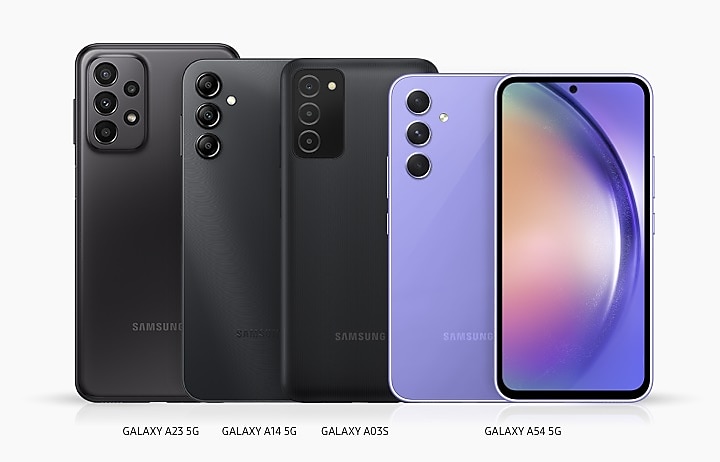
The Samsung Note7 was introduced in 2016 as part of the renowned Galaxy Note series, designed to push the boundaries of smartphone technology. Lauded for its premium design and powerful features, the Note7 quickly became a sought-after device upon its release, appealing to both tech enthusiasts and everyday users alike.
The Samsung Note7 featured a stunning 5.7-inch Super AMOLED display with 1440 x 2560 pixel resolution, providing vivid colors and sharp details. Powering the device was an Exynos 8890 or Qualcomm Snapdragon 820 processor, depending on the region, coupled with 4GB of RAM and storage options of either 64GB or 128GB, expandable via microSD. Another significant aspect was the introduction of the S Pen, which offered enhanced functionalities, including improved pressure sensitivity and new features like Screen Off Memo. The device was also IP68 rated for water and dust resistance, ensuring durability.
Launch Timeline and Initial Reception
The Samsung Note7 was officially launched on August 2, 2016, with pre-orders starting shortly after. It was well-received with a positive reception from both critics and consumers prior to its notable issues. Many praised its sleek design, impressive display, and robust performance capabilities. Within weeks of its launch, the device was often highlighted in reviews for its innovative features and was recognized with several awards in the mobile technology sector.
Despite its early acclaim and market excitement, the Note7’s launch was marred by serious battery safety concerns, leading to multiple incidents of devices catching fire. This prompted Samsung to initiate a recall of the device just weeks after its release, impacting its initial success and market positioning.
Target Audience and Market Positioning
The Samsung Note7 targeted a diverse audience, primarily focused on tech-savvy professionals, creatives, and anyone who utilized their smartphone for productivity and entertainment. The device was positioned as a premium flagship smartphone, ideal for those who valued advanced features such as the S Pen for note-taking, sketching, and productivity tasks.
The Note7 was marketed towards users who sought more than just a smartphone; it was aimed at individuals who required a powerful device that could seamlessly integrate into their professional lives. Its high-end specifications catered to users who engaged in multi-tasking and high-performance applications, solidifying its status in the high-end smartphone market.
Overall, the Samsung Note7 represented a significant leap in smartphone technology, offering innovative features and a premium experience, despite the unfortunate circumstances that followed its launch.
Safety Concerns and Recall: Samsung Note7
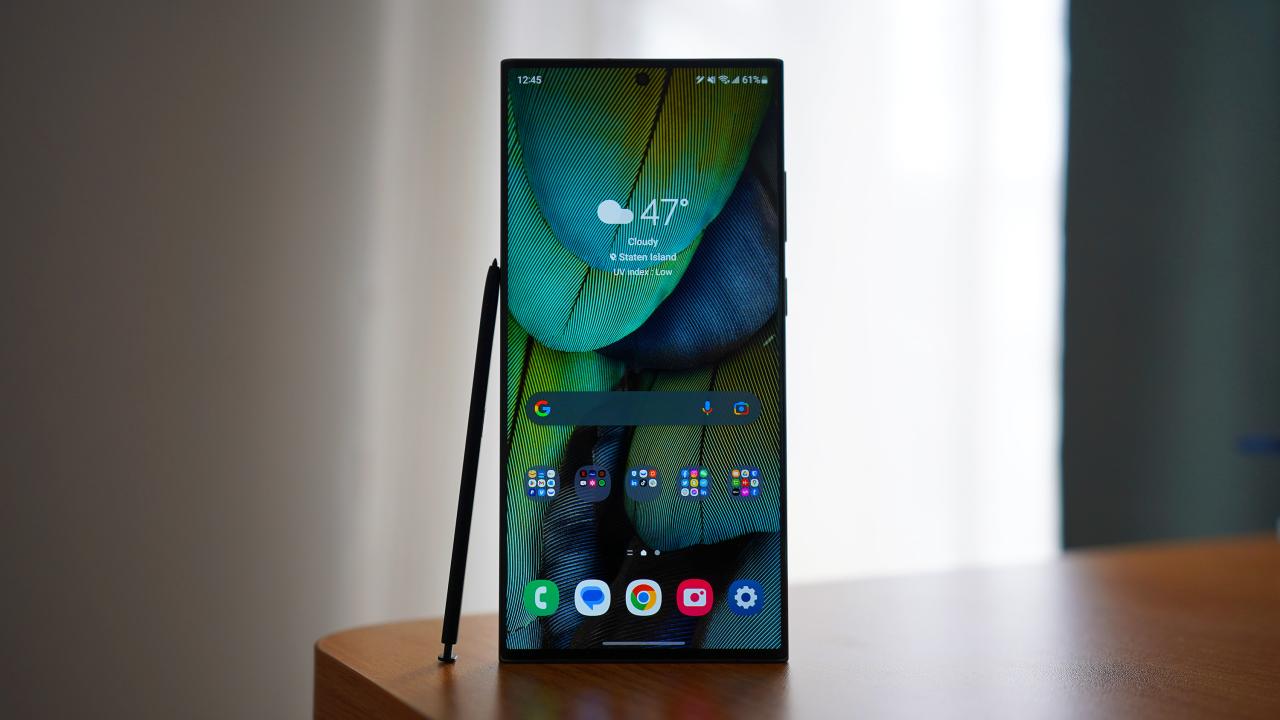
The release of the Samsung Note7 was marred by significant safety concerns that quickly escalated into a massive global recall. Initially celebrated for its cutting-edge features, the smartphone soon became notorious due to incidents involving battery explosions. These events raised alarms regarding the device’s safety, leading to one of the most notable product recalls in technology history.
The safety issues surrounding the Samsung Note7 began to surface shortly after its launch in August 2016. Reports of devices overheating and, in some cases, catching fire prompted an investigation. Samsung’s response was to initiate a recall of 2.5 million devices, aiming to replace potentially faulty batteries. However, even after the replacement program, reports continued to emerge of new devices igniting. This prompted Samsung to halt production and ultimately discontinue the Note7 altogether.
Measures Taken by Samsung
In response to the safety crisis, Samsung implemented a series of measures aimed at addressing consumer concerns and regaining public trust. The company’s efforts included:
- Battery Replacement Program: Samsung offered replacements for all affected devices, emphasizing customer safety and satisfaction.
- Enhanced Quality Control: A comprehensive review of the battery manufacturing process was conducted to identify and rectify flaws, ensuring that future devices met rigorous safety standards.
- Collaboration with Experts: Samsung enlisted third-party safety experts to conduct thorough investigations and audits of its manufacturing processes.
- Public Communication: The company maintained open lines of communication with consumers, providing updates and transparent information regarding the recall efforts and safety measures.
The fallout from the Note7 recall had a profound impact on consumer trust and Samsung’s brand reputation. Many loyal customers were left feeling betrayed, questioning the company’s commitment to safety and quality. This situation was exacerbated by the extensive media coverage of the incidents, which painted a stark picture of risk associated with the Samsung brand.
“Trust, once lost, is difficult to regain. The Samsung Note7 incident serves as a critical reminder of the importance of consumer safety in technology.”
Following the recall, Samsung undertook a significant rebranding effort, focusing on restoring confidence among its user base. This included emphasizing its commitment to safety in subsequent product launches, such as the Galaxy S8, where Samsung promised rigorous testing and improvements in battery technology. The measures taken post-recall aimed not only to address the immediate safety concerns but also to rebuild the brand’s reputation in a market increasingly focused on consumer safety.
Comparisons with Other Smartphones
The Samsung Note7 marked a significant evolution in the Note series, particularly when compared to its predecessor, the Note5. This comparison goes beyond just the aesthetic differences; it delves into the technological advancements and features that set the Note7 apart, as well as how it fared against its competitors during its release period.
Comparison with Note5
The Note7 introduced several enhancements over the Note5 that catered to a more advanced user experience. While the Note5 featured a 5.7-inch Quad HD display and a powerful Exynos 7420 processor, the Note7 took it a step further with a more vibrant 5.7-inch Quad HD Super AMOLED display that supported HDR, offering improved color and contrast levels. Additionally, the Note7 was powered by the more capable Snapdragon 820 processor in the US, resulting in better performance and efficiency.
Other notable differences included:
- Water and Dust Resistance: The Note7 came with an IP68 rating, which allowed it to withstand immersion in water, a feature absent in the Note5.
- S Pen Enhancements: The S Pen of the Note7 was not only more refined but also included new features such as screen-off memo and live message functionality.
- Camera Improvements: The Note7 featured a dual pixel 12 MP rear camera with improved low-light capabilities, while the Note5’s camera, although impressive, lacked this technology.
Comparison with Competitors
During the same release period, the Note7 faced formidable competition from smartphones such as the iPhone 7 Plus and Google Pixel XL. The Note7’s design and features positioned it uniquely among these rivals, particularly with its curved display that differentiated it from the flat screens of many competitors.
When comparing features:
- Display: The Note7’s curved display provided an immersive viewing experience, whereas the iPhone 7 Plus maintained a traditional flat screen.
- Battery Life: Although the Note7’s battery was eventually recalled due to safety concerns, it initially offered a robust 3,500 mAh battery, outperforming the iPhone 7 Plus’s 2,900 mAh capacity.
- Software: The Note7 ran on Samsung’s TouchWiz interface over Android 6.0 Marshmallow, featuring extensive customization options compared to the more straightforward iOS of the iPhone 7 Plus.
Technological Advancements
The Note7 introduced several key technological advancements that were notable at the time of its release. These enhancements not only improved user functionality but also set a new standard for subsequent smartphone models.
Key advancements included:
- Biometric Security: The Note7 offered both iris scanning and fingerprint recognition, providing users with advanced security options that were ahead of many competitors.
- Fast Charging and Wireless Charging: Enhanced fast charging capabilities coupled with improved wireless charging efficiency made the Note7 a leader in convenience for users on the go.
- Enhanced VR Capabilities: The Note7 was designed with virtual reality in mind, being compatible with Samsung’s Gear VR, which was a significant leap in integrating smartphone technology with VR experiences.
Legacy and Impact on Future Devices
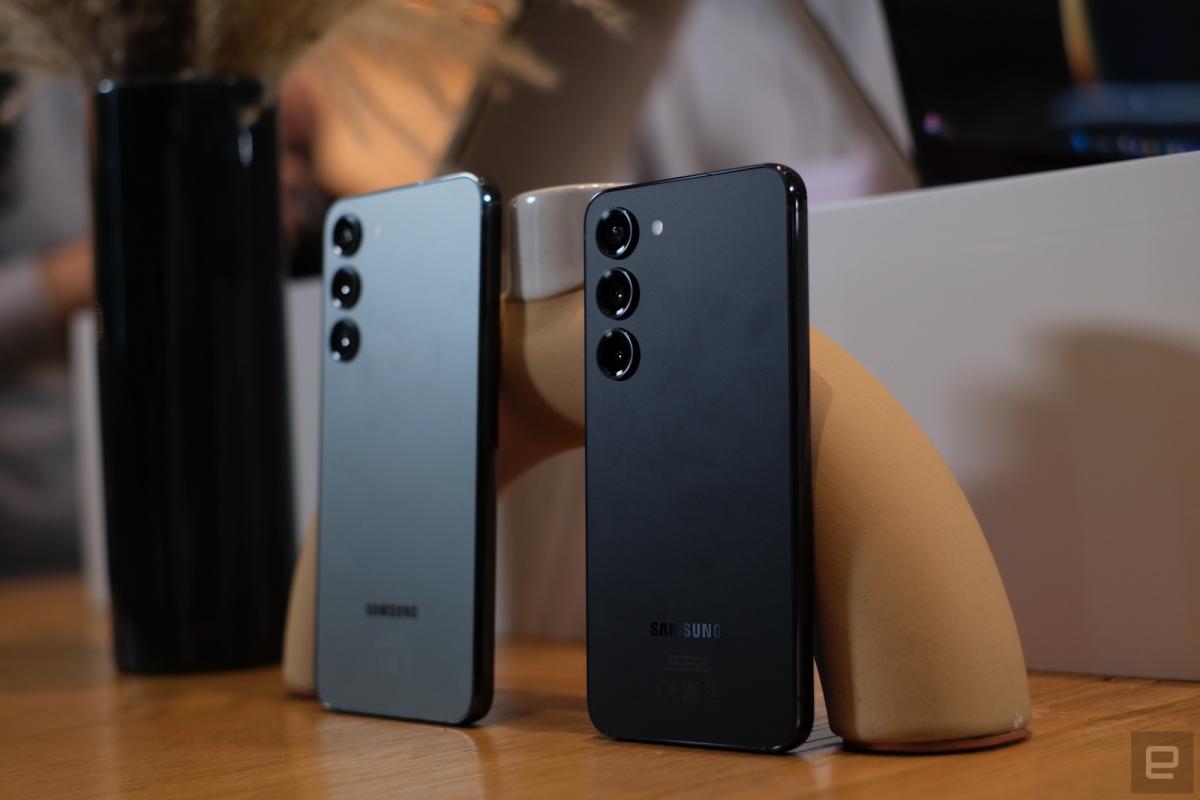
The Samsung Galaxy Note7 incident remains a pivotal moment in smartphone history, not just for the company but for the entire industry. The challenges faced during the Note7’s lifecycle highlighted critical flaws in product design, safety measures, and corporate accountability. These events have since catalyzed changes in how technology companies approach device development, emphasizing safety and consumer trust.
The long-lasting effects of the Note7 fiasco have significantly reshaped Samsung’s product development strategy. In the aftermath, the company undertook a comprehensive review of its manufacturing processes and quality assurance protocols. This required a shift towards a more rigorous approach in testing and quality control, particularly concerning battery safety. Samsung introduced the “8-Point Battery Safety Check,” which focused on assessing battery design, durability, and software management. The aim was to restore consumer confidence and ensure that future devices would prioritize user safety above all.
Influence on Safety Regulations in the Smartphone Industry
The Note7’s safety concerns prompted widespread scrutiny and ultimately led to new safety regulations across the smartphone industry. The incident highlighted the necessity for stricter compliance standards and testing procedures. Regulatory bodies and industry groups began to advocate for enhanced safety practices in battery management and device manufacturing.
Key impacts on safety regulations include:
- Enhanced Testing Protocols: Manufacturers are now required to implement advanced testing methods, including thermal runaway tests and comprehensive battery assessments before products can launch.
- Regulatory Oversight: Organizations like the Consumer Product Safety Commission (CPSC) have increased their oversight on electronics, ensuring devices are compliant with safety standards.
- Industry-Wide Collaboration: Companies are now more willing to collaborate on safety standards, leading to the establishment of best practices for battery design and manufacturing.
These changes have collectively fostered a culture of accountability in the industry, where the focus is increasingly on consumer safety and proactive risk management.
Lessons Learned from the Note7 Incident, Samsung note7
The Galaxy Note7 incident served as a valuable learning experience for Samsung, leading to strategic shifts that influenced the design and features of subsequent devices. The lessons learned can be categorized into several key areas that have defined the evolution of Samsung’s smartphone offerings.
Important lessons include:
- Prioritization of Safety: The emphasis on safety has become a fundamental aspect of Samsung’s product development, incorporating extensive pre-release testing and feedback cycles.
- Transparency and Communication: The necessity for open lines of communication with consumers became evident. Samsung now actively engages with its customer base regarding safety concerns and recalls.
- Innovation in Battery Technology: Following the Note7, Samsung has invested heavily in research to develop safer battery technologies, including solid-state batteries that promise increased safety and performance.
Incorporating these lessons has allowed Samsung to rebuild its brand and regain consumer trust, reflected in the success of subsequent product lines, such as the Galaxy S and Note series, which have seen enhanced safety features and performance metrics.
FAQ Overview
What are the key features of the samsung note7?
The Samsung Note7 features a 5.7-inch Super AMOLED display, an S Pen stylus, iris scanning technology, and a dual pixel camera, along with 64GB of internal storage.
When was the samsung note7 released?
The Samsung Note7 was officially launched on August 19, 2016.
What led to the recall of the samsung note7?
Multiple incidents of the Note7 catching fire due to battery defects prompted Samsung to issue a global recall.
Did samsung fully recover from the note7 incident?
While Samsung faced significant challenges due to the Note7 incident, they have since rebuilt their reputation and continued to innovate in the smartphone market.
How did the note7 incident influence smartphone safety regulations?
The Note7 incident led to increased scrutiny of battery safety and manufacturing standards within the smartphone industry, prompting stricter regulations and testing procedures.
The Samsung Galaxy Note10 stands out with its premium design and powerful features, making it a popular choice among smartphone enthusiasts. With a stunning display and an impressive camera system, this device caters perfectly to those who value both style and functionality, ensuring a smooth user experience for everyday tasks and creative pursuits.
Apple’s innovation is particularly evident in the performance of its devices, largely thanks to the advanced chip iPhone technology. This custom silicon enhances speed and efficiency, allowing users to enjoy seamless multitasking and impressive graphics, making the latest iPhone models a top choice for both casual users and professionals alike.