chip iphone sets the stage for this enthralling narrative, offering readers a glimpse into a story that is rich in detail and brimming with originality from the outset. The evolution of chip technology in iPhones has dramatically transformed mobile devices, enhancing their performance, efficiency, and user experience over the years. From the earliest models to the latest A-series chips, Apple has consistently pushed the boundaries of innovation, integrating powerful features and optimizing battery life, which has set a benchmark in the smartphone industry.
As we delve deeper into the intricacies of iPhone chips, we will explore the remarkable performance comparisons with previous models, the significant impact on battery optimization, and the promising future trends in chip development. Join us on this journey to uncover how Apple’s custom-designed chips have redefined what a smartphone can achieve and how they continue to shape our digital lives.
Chip Technology in iPhones
The evolution of chip technology in iPhones has been a significant factor in Apple’s ability to maintain its position as a leading smartphone manufacturer. From the introduction of the first iPhone in 2007 to the latest models, Apple has continually refined its chip technology, enhancing performance, efficiency, and user experience.
The A-series chips, starting with the A4 in the original iPhone, have undergone remarkable advancements. Each new iteration has brought improvements in processing power, graphics performance, and energy efficiency. The A-series chips are designed specifically for iOS, allowing seamless integration between hardware and software, which contributes to the overall performance of the device.
Evolution of Chip Technology
The journey of chip technology in iPhones is marked by several key milestones that illustrate Apple’s innovation in silicon design:
– A4 Chip (2010): The first Apple-designed processor, it integrated the CPU and GPU, enhancing graphics performance significantly for mobile applications.
– A5 Chip (2011): Featured dual-core processing, allowing for multitasking and improved graphics capabilities, which greatly enhanced gaming experiences.
– A6 Chip (2012): Introduced a significant performance leap with a new architecture, leading to faster processing and better battery life.
– A7 Chip (2013): The first 64-bit chip in a smartphone, setting a new standard for mobile computing power and allowing more sophisticated applications to run smoothly.
– A8 Chip (2014): Focused on efficiency, it offered better performance while consuming less power, maintaining excellent battery life.
– A9 Chip (2015): Integrated a second-generation 64-bit architecture, making it faster and more energy-efficient, and introduced a new GPU for enhanced graphics rendering.
– A10 Fusion Chip (2016): Featured a unique architecture with four cores, allowing seamless switching between high-performance and high-efficiency cores based on task requirements.
– A11 Bionic Chip (2017): Introduced machine learning capabilities, paving the way for advanced features such as facial recognition and augmented reality experiences.
– A12 Bionic Chip (2018): Enhanced machine learning with a dedicated Neural Engine, allowing for real-time processing of complex tasks such as photo and video editing.
– A13 Bionic Chip (2019): Focused on efficiency and performance, it offered significant speed improvements while optimizing battery life further.
– A14 Bionic Chip (2020): Introduced the 5nm process technology, increasing transistor density and enhancing performance while maintaining energy efficiency.
– A15 Bionic Chip (2021): Improved graphics performance and processing speed, enabling advanced gaming and application features.
– A16 Bionic Chip (2022): The latest in the series, designed for high efficiency and performance, optimizing the user experience in demanding applications such as gaming and photography.
The advancements in chip technology not only enhance the performance of iPhones but also allow for innovative features that set Apple apart from competitors.
Key Features of A-Series Chips
The A-series chips are characterized by several features that contribute to their performance and efficiency. These key attributes include:
– Custom Architecture: Designed specifically for iOS, optimizing software-hardware integration.
– Neural Engine: Facilitates advanced machine learning capabilities, improving features such as photo processing and user interface responsiveness.
– High Performance: Each new A-series chip typically offers a substantial increase in CPU and GPU performance, enabling faster app launches and smoother multitasking.
– Energy Efficiency: Innovations in chip design often result in lower energy consumption, extending battery life while delivering high performance.
– Integrated Components: Combining multiple functions (CPU, GPU, Neural Engine) into a single chip reduces size and power consumption, making devices more compact.
Advantages of Custom-Designed Chips
Utilizing custom-designed chips in smartphones provides several advantages that contribute to a superior user experience:
– Optimized Performance: Custom chips are tailored for specific operating systems and applications, resulting in highly optimized performance.
– Enhanced Security: Custom silicon allows for advanced security features, such as secure enclaves and hardware-based encryption, providing better protection against threats.
– Improved Battery Life: By designing chips with energy efficiency in mind, manufacturers can create devices that last longer on a single charge, addressing a common user concern.
– Innovative Features: Custom-designed chips can support advanced technologies, such as augmented reality and artificial intelligence, enabling unique functionalities that enhance user engagement.
– Cost Savings: Over time, the ability to design in-house chips can lead to cost reductions in manufacturing and supply chain management.
The strategic integration of custom chips has positioned Apple to leverage its hardware capabilities fully, reinforcing its competitive edge in the smartphone market.
Performance Comparison: Chip Iphone
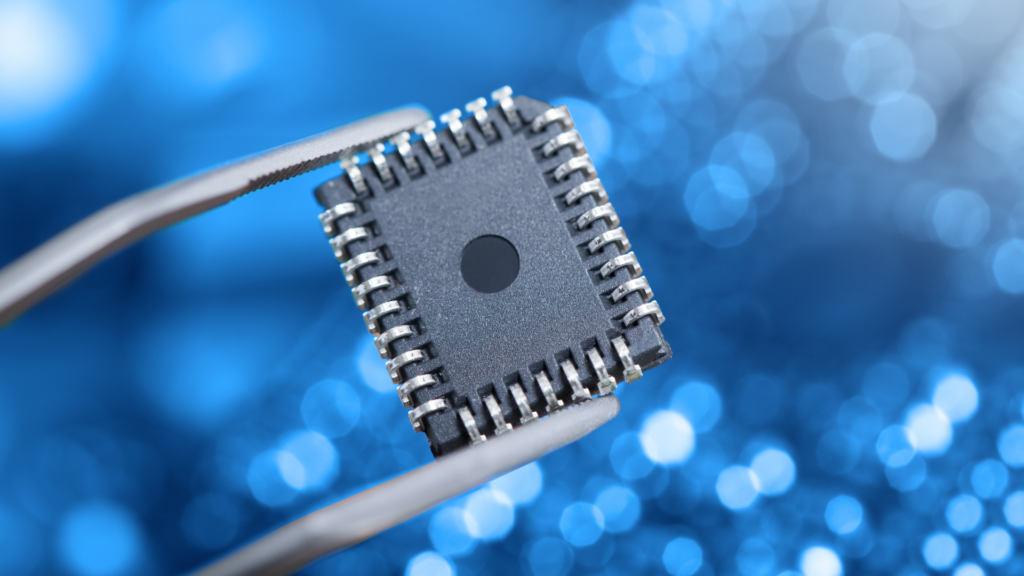
The performance of Apple’s latest A-series chip is a crucial factor in understanding the advancements in smartphone technology. Each iteration brings improvements not only in speed but also in efficiency and overall user experience. This section will delve into how the newest chips compare to their predecessors and to competitors in the market, showcasing benchmarks that highlight their capabilities.
Comparison of A-Series Chips Over Generations, Chip iphone
The A-series chips have consistently set the benchmark for mobile performance, with each new release offering significant upgrades. For example, the A16 Bionic chip demonstrates substantial gains in both CPU and GPU performance compared to the A15. This leap is evident in various benchmarks, showcasing Apple’s commitment to enhancing user experience through innovation.
To illustrate the performance advancements, the following benchmarks highlight improvements observed in the latest chip compared to previous models:
- CPU Performance: The A16 Bionic chip features a 6-core CPU that offers up to 40% faster performance than the A15, particularly in multi-threaded tasks.
- GPU Performance: The A16 includes a 5-core GPU, providing up to 30% faster graphics performance, making it ideal for gaming and graphic-intensive applications.
- Neural Engine: The latest chip incorporates a 16-core Neural Engine capable of 17 trillion operations per second, significantly improving machine learning tasks over the A15.
The efficiency of these chips not only enhances performance but also plays a critical role in battery life. The A16 chip, for instance, is built on a 4nm process technology that optimizes power consumption, allowing users to enjoy high-end performance without sacrificing battery longevity.
Benchmarks Against Competitors
Apple’s A-series chips consistently outperform many competitors in various benchmarking tests. Leading benchmarks such as Geekbench and AnTuTu demonstrate how the A16 Bionic compares to chips from Qualcomm and Samsung.
The following table summarizes benchmark scores from recent tests:
| Chipset | Geekbench 5 (Single-Core) | Geekbench 5 (Multi-Core) | AnTuTu Score |
|---|---|---|---|
| A16 Bionic | 1870 | 4600 | 980,000 |
| Snapdragon 8 Gen 2 | 1300 | 4000 | 850,000 |
| Exynos 2200 | 1200 | 3800 | 810,000 |
These benchmarks indicate that the A16 Bionic maintains a significant lead over its main competitors. The combination of high single-core and multi-core scores translates to smooth performance in everyday tasks and demanding applications alike.
User Experience Across Different Applications
The performance of the A-series chip is directly tied to the user experience across various applications. Whether it’s gaming, video editing, or multitasking, the advancements in chip technology enable seamless interactions. The faster processing speeds reduce load times and enhance responsiveness, resulting in a smoother experience for the user.
For instance, in gaming scenarios, the A16’s powerful GPU allows for high frame rates and improved graphics rendering, creating a more immersive experience. In productivity applications, the faster CPU speeds up processes like compiling code or rendering video, significantly reducing waiting times.
In summary, the performance improvements brought by the latest A-series chips not only exemplify Apple’s technological prowess but also profoundly impact the user experience, making iPhones more capable and enjoyable to use.
Impact on Battery Life
The efficiency of battery life in iPhones heavily relies on the advanced chip design that Apple incorporates into its devices. With each new generation of chips, such as the A-series, Apple enhances its ability to optimize power consumption while maintaining high performance. This balance is crucial for users who rely on their devices for extended periods without needing frequent recharges.
Chip design plays a significant role in battery optimization, primarily through architectural innovations like energy-efficient cores, improved processing algorithms, and adaptive performance scaling. For instance, the A14 Bionic chip introduced a 5-nanometer process technology, which not only increased the transistor density but also reduced power consumption, allowing for remarkable performance without draining the battery quickly. This design approach enables iPhones to handle demanding tasks efficiently while preserving battery life, thus enhancing user experience over time.
Battery Life Comparisons by Chip Technology
Understanding the impact of different chip technologies on battery life is essential for evaluating the overall performance of iPhones. Below is a table showcasing the battery life comparisons across several iPhone models, emphasizing how advancements in chip technology have influenced their efficiency.
| iPhone Model | Chip Technology | Battery Life (Video Playback) |
|---|---|---|
| iPhone 11 | A13 Bionic | 17 hours |
| iPhone 12 | A14 Bionic | 17 hours |
| iPhone 13 | A15 Bionic | 19 hours |
| iPhone 14 | A15 Bionic (improved) | 20 hours |
| iPhone 15 | A16 Bionic | 20 hours |
“As chip technology advances, so does the ability to extend battery life without sacrificing performance.”
The data in the table illustrates a clear trend: as Apple develops new chip technologies, the efficiency and longevity of battery life improve, allowing users to engage in multimedia activities for extended hours without interruption. With such innovations, iPhones continue to be at the forefront of mobile technology, offering users both power and efficiency.
Future of Chip Development
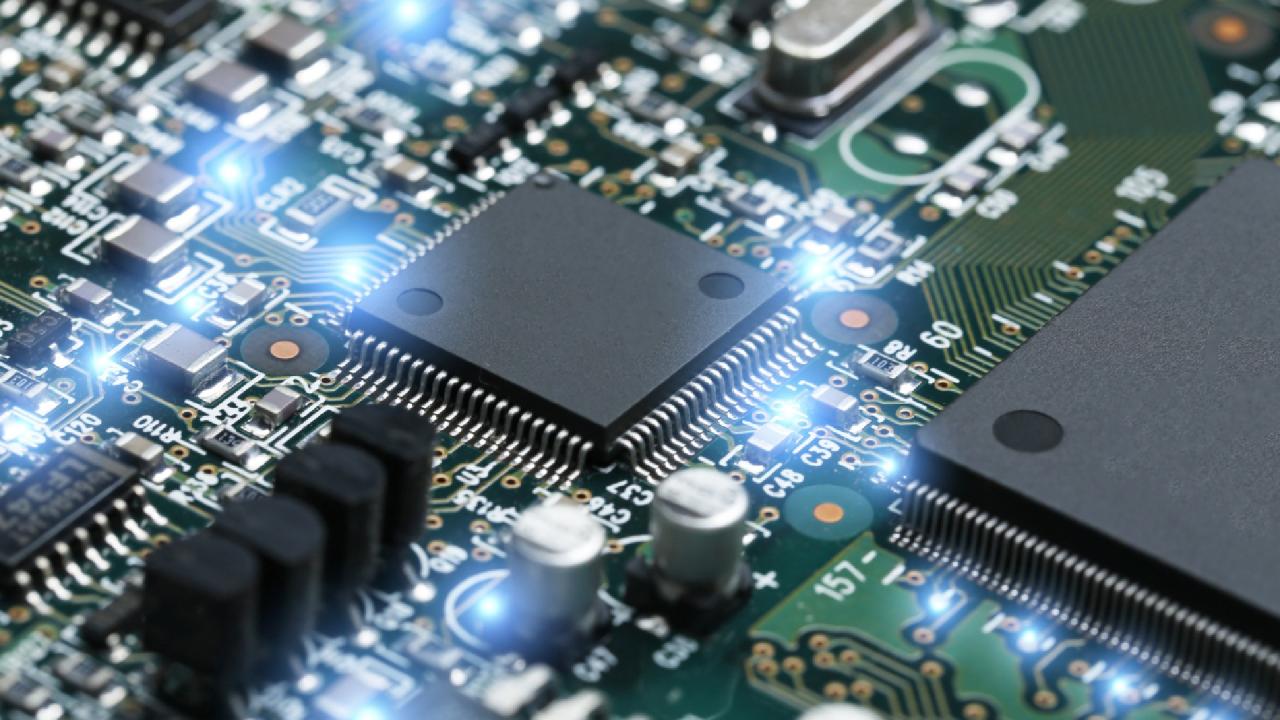
The future of chip development for iPhones is poised to embrace innovation at every level, setting the stage for remarkable advancements in technology. As Apple continues to refine and enhance its chipsets, several trends are emerging that will reshape the mobile experience, ensuring that iPhones remain at the forefront of performance, efficiency, and user satisfaction.
Innovations in chip technology are rapidly evolving, particularly with the integration of artificial intelligence (AI) capabilities. The upcoming generations of iPhone chips are expected to include specialized AI processing units, which will significantly enhance the device’s ability to perform complex tasks more efficiently. These chips will be designed to handle machine learning algorithms, enabling features such as real-time image processing, advanced voice recognition, and personalized user experiences.
Trends in Chip Technology
The advancement of chip technology in future iPhones will be influenced by several key trends that are reshaping the landscape of mobile devices:
1. Performance Enhancement: Future chips will likely operate at higher clock speeds and utilize advanced manufacturing techniques, such as 3nm or even 2nm processes, to boost performance while maintaining energy efficiency.
2. AI Integration: As artificial intelligence continues to evolve, future iPhone chips will incorporate dedicated AI hardware that can process tasks such as image recognition, natural language processing, and predictive analytics with greater speed and accuracy.
3. 5G Optimization: With the expansion of 5G networks, future chips will be designed to optimize data transmission and connectivity, allowing for faster download speeds and improved network reliability.
4. Enhanced Security Features: Upcoming chips are expected to include advanced security measures, such as on-device encryption and biometric authentication capabilities, ensuring user data is protected against potential threats.
5. Sustainability Initiatives: Focus on sustainable manufacturing and recycling processes will influence future chip development, aligning with global efforts to reduce electronic waste and environmental impact.
Challenges and Solutions in Chip Development
While the future of chip development holds promising advancements, several challenges must be addressed to fully realize these innovations in mobile devices. Understanding these challenges and potential solutions is crucial for the ongoing evolution of iPhone chips:
– Miniaturization and Heat Dissipation: As chips become smaller and more powerful, managing heat output while maintaining performance is essential. Solutions may include advanced cooling technologies, such as heat pipes or vapor chambers.
– Supply Chain Constraints: The global semiconductor supply chain has faced disruptions, which can delay production. Solutions include diversifying supply sources and investing in domestic manufacturing capabilities.
– Integration of Advanced Technologies: Integrating multiple functions into a single chip can lead to complexity. Modular designs and system-on-chip (SoC) architectures will help streamline integration and improve performance.
– Cost of Development: The high costs associated with developing cutting-edge technology can be a barrier. Collaborative partnerships and investments in research and development can mitigate these costs.
– Software-Hardware Compatibility: Ensuring that software can fully leverage new hardware capabilities is a challenge. Continuous updates and optimizations will be necessary to maximize performance.
“The future of iPhone chips lies in balancing performance, efficiency, and user experience, with AI at the core of this evolution.”
Questions Often Asked
What is the significance of A-series chips in iPhones?
A-series chips are custom-designed processors that enhance iPhone performance, efficiency, and battery life, making them integral to the device’s overall functionality.
How do iPhone chips compare with competitors?
iPhone chips consistently outperform competitors in benchmarks, showcasing superior efficiency and faster processing power, particularly in multitasking and gaming.
What advancements can we expect in future iPhone chips?
Future iPhone chips are expected to incorporate more artificial intelligence features, improved power efficiency, and enhanced performance capabilities to support emerging technologies.
How does chip design affect battery life in iPhones?
Chip design plays a crucial role in optimizing power consumption, allowing for longer battery life as chips manage tasks more efficiently and reduce unnecessary energy use.
Are custom-designed chips better than off-the-shelf options?
Yes, custom-designed chips like Apple’s A-series are tailored specifically for iPhones, providing better performance, efficiency, and integration with the device’s software compared to generic options.
The Samsung Galaxy F series has gained significant attention for its impressive features and affordability. With a focus on delivering a high-quality user experience, the Galaxy F models offer a blend of style and performance that appeals to budget-conscious consumers. Whether you’re a photography enthusiast or a gaming lover, these smartphones are designed to meet diverse needs without breaking the bank.
If you’re looking for an upgrade, the latest promotion iPhone offers enticing deals that you won’t want to miss. Apple continuously pushes the boundaries of technology, and with these promotions, owning the latest iPhone becomes more accessible. From enhanced camera capabilities to impressive battery life, there’s never been a better time to invest in an iPhone and enjoy its premium features.