Samsung Galaxy S 4 takes center stage, showcasing a remarkable evolution in smartphone technology that captivated consumers upon its release. Launched in April 2013, this device was not just another entry in the Galaxy series; it was a bold statement of innovation with features that redefined user expectations. With its sleek design, powerful performance, and a plethora of smart functionalities, the Galaxy S 4 set a new benchmark in the competitive smartphone landscape.
Equipped with a vibrant 5-inch Full HD display and powered by a robust processor, the Galaxy S 4 offered an unparalleled user experience, supported by the TouchWiz interface that introduced unique features like Smart Scroll and Air Gesture. Its successful marketing strategy, which emphasized both its cutting-edge technology and user-friendly design, contributed significantly to its widespread acclaim and solidified Samsung’s position as a leader in mobile technology.
Historical Overview of Samsung Galaxy S4: Samsung Galaxy S 4
The Samsung Galaxy S4 was released on April 26, 2013, and quickly made waves in the smartphone market. As a flagship model, it showcased Samsung’s commitment to innovation and quality, receiving praise for its advanced features and design. With pre-orders exceeding 10 million in the first two weeks, the Galaxy S4 was a commercial success and set a new benchmark in the mobile industry.
At launch, the Galaxy S4 distinguished itself from its predecessors through several key features and specifications. Sporting a 5-inch Super AMOLED display with a resolution of 1920 x 1080 pixels, it provided stunning visuals that appealed to consumers. The device was powered by a Qualcomm Snapdragon 600 processor or an Exynos 5 Octa, depending on the region, and came with 2GB of RAM. Notably, the 13-megapixel rear camera and the 2-megapixel front camera allowed users to capture high-quality photos and video calls. The Galaxy S4 also introduced several software enhancements, including Air Gesture and Smart Scroll, which utilized advanced sensors to create a more interactive user experience.
Marketing Strategies During Release
Samsung employed innovative marketing strategies to promote the Galaxy S4, aiming to strengthen its market position against competitors like Apple. The marketing campaign was multi-faceted and leveraged various platforms to reach a broad audience.
Key strategies included:
- Star-Studded Launch Events: Samsung hosted significant launch events, most notably at New York’s Radio City Music Hall, featuring celebrities and live performances to create buzz.
- Television and Online Advertising: The company invested heavily in television commercials and online ads that showcased the Galaxy S4’s standout features, appealing to tech-savvy consumers.
- Social Media Engagement: Samsung utilized social media platforms to engage directly with customers, encouraging them to share their experiences and connect with the brand.
- Influencer Partnerships: Collaborating with tech influencers and bloggers helped the Galaxy S4 reach niche markets and establish credibility among early adopters.
The combination of these strategies effectively positioned the Samsung Galaxy S4 as a must-have smartphone, contributing to its impressive sales figures and solidifying Samsung’s reputation as a leader in the mobile phone industry.
Design and Build Quality of Samsung Galaxy S4
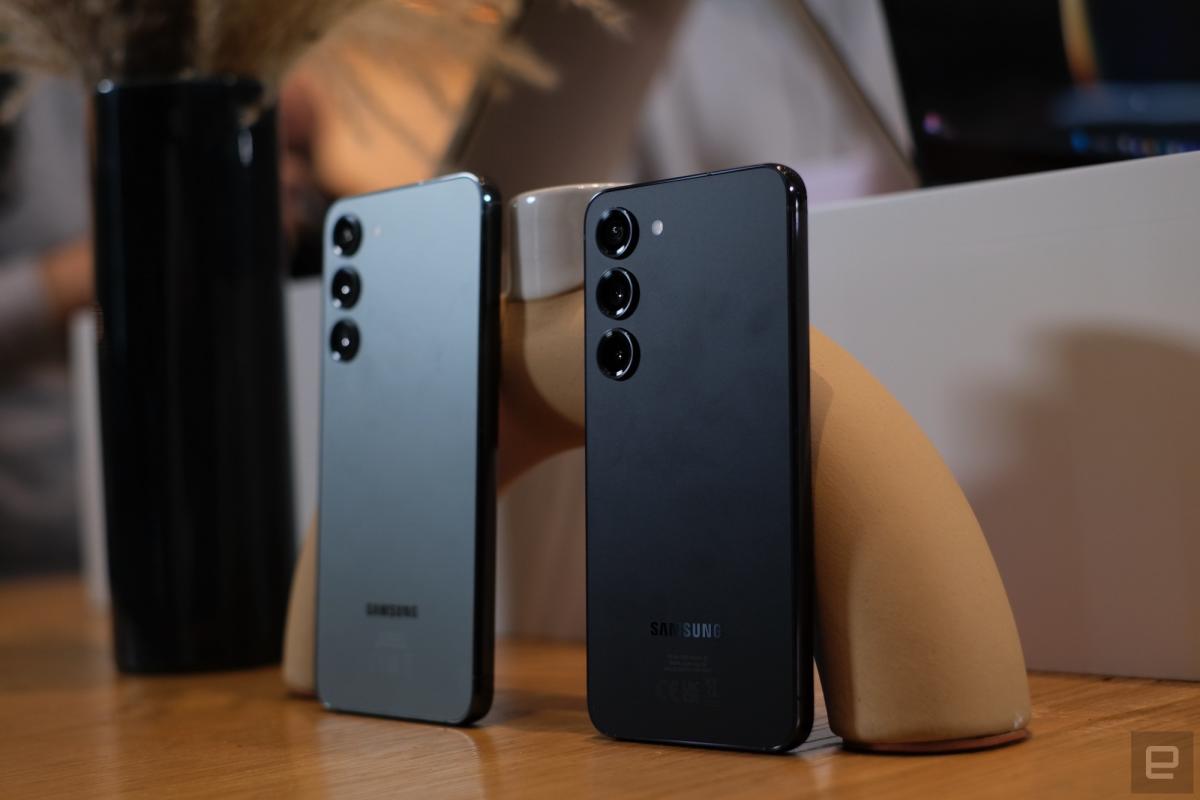
The Samsung Galaxy S4 was a flagship smartphone released in 2013, notable for its innovative design and build quality, which set it apart in a competitive market. The device’s aesthetic appeal and material choice played a vital role in crafting a premium experience for users, emphasizing both style and functionality.
The Samsung Galaxy S4 features a polycarbonate plastic exterior, which was a common choice for smartphones at the time. This material offered durability while keeping the device lightweight. The Galaxy S4 came in a variety of colors, including Black Mist and White Frost, allowing users to express their personal style. The device’s overall design was characterized by its rounded edges and slim profile, measuring just 7.9mm in thickness, which contributed to its modern look.
Comparison with Contemporary Smartphones
During its launch period, various smartphones competed closely with the Galaxy S4, each showcasing unique design elements. While many devices leaned towards metal and glass constructions, Samsung maintained its use of plastic, which had both advantages and drawbacks. The Galaxy S4’s design philosophy emphasized a minimalist aesthetic, reminiscent of its predecessor, the Galaxy S3, but refined for a more sophisticated appearance.
– The HTC One was widely praised for its aluminum unibody design, which presented a premium feel compared to the Galaxy S4’s plastic body.
– Apple’s iPhone 5s showcased a blend of glass and metal that offered a luxurious touch, contrasting with the Galaxy S4’s more utilitarian feel.
– The LG G2 presented an innovative design with buttons relocated to the back, distinguishing it in terms of usability and ergonomics.
Despite the preference for premium materials among some contemporaries, the Galaxy S4’s design appealed to a broad audience due to its vibrant display and user-centric features.
Ergonomics and Usability
The ergonomics of the Samsung Galaxy S4 were well-considered, making it comfortable for everyday use. Its lightweight nature facilitated extended periods of usage without discomfort. Additionally, the device’s dimensions allowed for a secure grip, ensuring it could be easily handled during various activities.
– The placement of buttons was strategic, with the volume rocker located on the left side and the power button on the right, allowing for quick access regardless of the user’s dominant hand.
– The device’s 5-inch Super AMOLED display offered vibrant colors and deep blacks, enhancing the overall user experience whether for media consumption or gaming.
– Features such as Smart Pause and Air Gesture allowed users to interact with the device without physically touching the screen, enhancing usability in situations where hands were occupied.
In conclusion, the design and build quality of the Samsung Galaxy S4 exemplified a careful balance between aesthetic appeal and practical usability, making it a standout choice in the smartphone market of its time.
Software and User Experience
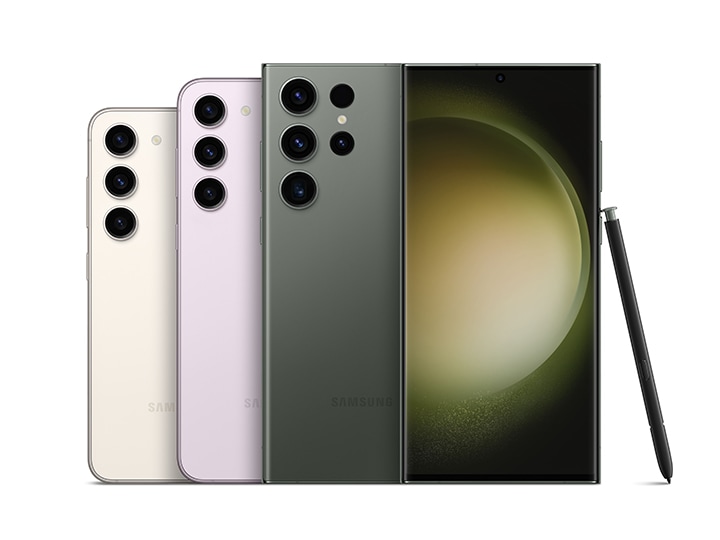
The Samsung Galaxy S4 launched with a robust software package that significantly enhanced user interaction and functionality. It ran on Android 4.2.2 Jelly Bean, providing a smooth and user-friendly experience. The operating system’s capabilities, paired with Samsung’s customizations, delivered a unique blend of performance and usability that resonated well with users.
The TouchWiz interface played a crucial role in defining the software experience on the Galaxy S4. It introduced a multitude of features designed to enhance productivity and streamline the user experience. The interface was known for its vibrant icons and widgets, allowing users to customize their home screens extensively.
Key Features of TouchWiz Interface, Samsung galaxy s 4
The TouchWiz interface brought several unique functionalities to the Galaxy S4 that set it apart from its competitors. Notable features included:
- Smart Scroll: This feature allowed users to scroll through web pages and emails simply by tilting the device, creating a more intuitive browsing experience.
- Air Gesture: Users could control the device with hand movements, enabling actions like flipping through photos or answering calls without touching the screen.
- Multi-Window Support: The Galaxy S4 enabled users to run two apps side by side, thus enhancing multitasking capabilities.
- Story Album: This feature organized photos into themed albums, allowing users to creatively document their experiences.
- Adapt Display: This technology adjusted the screen settings based on the content being viewed, optimizing color and contrast for better visibility.
User feedback regarding software updates and performance was mixed but generally positive. Many users appreciated the regular updates provided by Samsung, which often included enhancements and security patches. However, some concerns arose regarding the bloatware included with the TouchWiz interface, which some users felt could slow down performance.
“While the software is feature-rich, the presence of pre-installed apps sometimes detracted from the overall experience.”
Performance-wise, the Galaxy S4 was well-regarded due to its powerful hardware specifications paired with its software features. Users noted that the device handled multitasking efficiently, although some experienced slowdowns after extended use without a restart. Overall, the software experience of the Galaxy S4 contributed significantly to its success, making it a favorite among many smartphone users during its time.
Legacy and Impact on Future Devices
The Samsung Galaxy S4 marked a significant milestone in the evolution of smartphones, introducing several innovations that would influence not only subsequent models in the Galaxy series but also the broader smartphone market. Its development and features set new benchmarks that shaped consumer expectations and paved the way for future technological advancements.
Innovations Influencing Future Models
The Galaxy S4 was notable for incorporating features that would become standard in later smartphone generations. Key innovations included:
- Smart Scroll and Smart Pause: These features utilized facial recognition technology to control scrolling and video playback, setting a precedent for hands-free interaction in future devices.
- Dual Camera Functionality: The ability to capture photos simultaneously from both front and rear cameras laid the groundwork for more advanced photography capabilities in future models.
- Enhanced Display Technology: The S4 introduced a Full HD Super AMOLED display, significantly improving color accuracy and brightness, influencing future screens in subsequent smartphones.
Shaping Consumer Expectations for Smartphones
The Galaxy S4 played a crucial role in redefining what consumers expected from their devices.
“The S4 established a new standard for performance, design, and software integration, leading consumers to anticipate similar or improved features in future releases.”
This shift in expectations encouraged manufacturers to prioritize high-quality cameras, enhanced battery life, and innovative user interfaces. The emphasis on personalization and user experience, as exemplified by features like customizable themes, resonated with consumers and set a trend for subsequent flagship models.
Paving the Way for Newer Technologies
The innovations introduced with the Galaxy S4 had a lasting impact on the Galaxy series and the wider smartphone landscape.
- Integration of Health Tracking: The S4’s S Health app marked the beginning of Samsung’s focus on health and fitness technology, which would be further developed in later models.
- Advancements in Software Updates: The S4’s adoption of a touch-friendly interface and the push for timely software updates ensured that future devices maintained relevance through improved features.
- Enhanced Connectivity Features: The inclusion of NFC and improved Wi-Fi capabilities in the S4 influenced the standardization of these technologies in future smartphones.
Helpful Answers
What was the release date of the Samsung Galaxy S 4?
The Samsung Galaxy S 4 was released on April 26, 2013.
What were the key features of the Samsung Galaxy S 4?
Key features included a 5-inch Full HD display, a 13 MP rear camera, and innovative software capabilities like Smart Pause and Air View.
How does the design of the Samsung Galaxy S 4 compare to its predecessors?
The design of the Galaxy S 4 featured a more refined look with a larger display, lighter materials, and a more ergonomic feel compared to the Galaxy S III.
What impact did the Samsung Galaxy S 4 have on future smartphones?
The Galaxy S 4 introduced features that became industry standards, setting expectations for design, performance, and user experience in future smartphones.
Is the Samsung Galaxy S 4 still relevant today?
While it may not support the latest apps and features, the Galaxy S 4 remains a significant device in the history of smartphones and is still functional for basic tasks.
The Samsung S10 has made a significant impact with its sleek design and impressive features. From its stunning display to powerful camera capabilities, this smartphone caters to both casual users and tech enthusiasts alike. Its performance ensures seamless multitasking, making it a reliable choice for daily use.
When it comes to premium smartphones, the Samsung Galaxy S10+ stands out with its larger screen and enhanced battery life. This device not only offers an immersive viewing experience but also excels in photography, making it a top pick for those who appreciate high-quality images and videos on the go.