samsung galaxy s ii stands as a pivotal moment in smartphone history, introducing groundbreaking features that would shape the industry for years to come. This device, with its sleek design and advanced specifications, not only captured the attention of tech enthusiasts but also set new standards for user experience and performance.
The Samsung Galaxy S II boasted a 4.3-inch Super AMOLED Plus display, a powerful dual-core processor, and a robust camera system, making it a formidable competitor at the time of its release. Its user-friendly interface and innovative features, such as one-touch multitasking, provided a glimpse into the future of mobile technology, positioning the Galaxy S II as a device that would influence countless models that followed.
Features of Samsung Galaxy S II
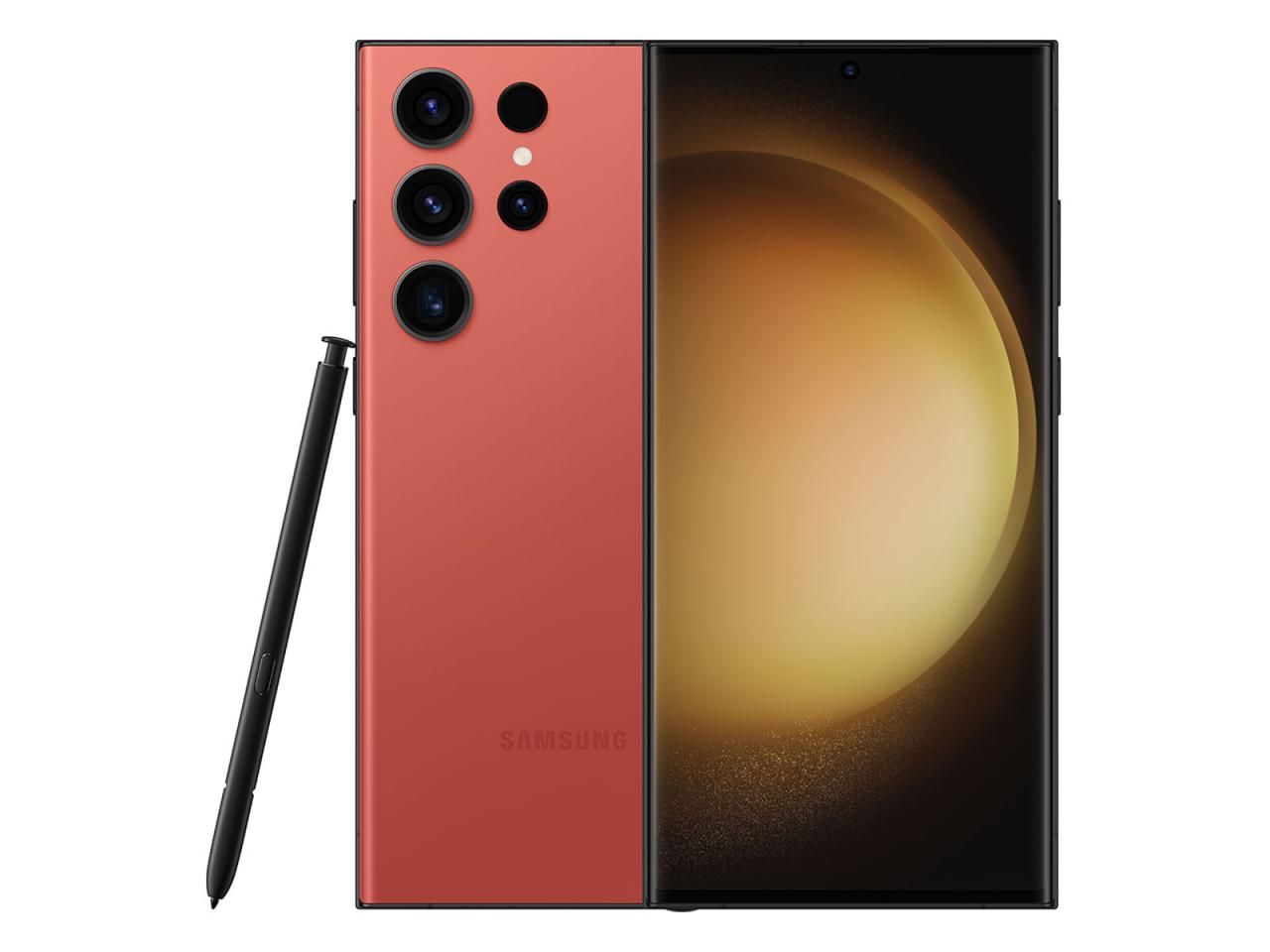
The Samsung Galaxy S II stands as a remarkable smartphone that has significantly influenced the mobile technology landscape since its launch. With a blend of high-end specifications and innovative features, this device caters to the needs of both casual users and tech enthusiasts alike. Its sleek design and powerful performance make it a noteworthy addition to the Galaxy series.
One of the standout aspects of the Samsung Galaxy S II is its impressive specifications and features that set it apart from its contemporaries. The combination of hardware and software technologies ensures a seamless user experience.
Specifications and Features
The specifications of the Samsung Galaxy S II showcase its capabilities and innovation. Below is a detailed list of its notable features:
- Display: 4.3-inch Super AMOLED Plus display with a resolution of 800 x 480 pixels, offering vibrant colors and deep blacks.
- Processor: Powered by a dual-core 1.2 GHz ARM Cortex-A9 processor, providing exceptional speed and multitasking capabilities.
- Operating System: Initially launched with Android 2.3 (Gingerbread) and upgradable to Android 4.1 (Jelly Bean), ensuring access to various apps and features.
- Camera: 8 MP rear camera with autofocus and LED flash, capable of recording 1080p video, along with a 2 MP front-facing camera for video calls.
- Storage: Comes with 16/32 GB internal storage options, expandable via a microSD card up to 64 GB, ensuring ample space for multimedia and applications.
- Battery: 1650 mAh removable battery, providing reliable performance throughout the day.
- Connectivity: Supports Wi-Fi, Bluetooth 3.0, NFC, and USB 2.0, offering versatile connectivity options.
- Dimensions: Slim profile at 125.3 x 66.1 x 8.5 mm and lightweight design at 116 grams, enhancing portability.
Innovative Technology
The Samsung Galaxy S II introduced several innovative technologies that enhanced user experiences and set new standards in smartphone design. Noteworthy among these innovations is the Super AMOLED Plus technology, which significantly improved display quality with better contrast ratios and viewing angles. The dual-core processor allows for rapid application loading and smooth navigation, making it one of the first smartphones to utilize such technology effectively.
Additionally, the implementation of an advanced camera system with features such as zero shutter lag and superior low-light performance made the Galaxy S II a strong contender in mobile photography. This camera’s ability to shoot high-definition video further appealed to users who valued multimedia capabilities.
User Interface Design, Samsung galaxy s ii
The user interface of the Samsung Galaxy S II plays a crucial role in its overall user experience. Samsung’s TouchWiz UI is crafted to be intuitive and user-friendly, providing a seamless interaction with the device’s features. The layout is designed with accessibility in mind, allowing users to navigate with ease.
Features like customizable home screens, widgets, and live wallpapers enhance personalization, turning the smartphone experience into something uniquely tailored to each user. The intuitive design contributes to a more engaging experience, encouraging users to explore the device’s capabilities.
In summary, the Samsung Galaxy S II exemplifies a fusion of powerful specifications, innovative technology, and a user-centric interface, establishing itself as a significant player in the evolution of smartphones.
Performance and Capabilities: Samsung Galaxy S Ii
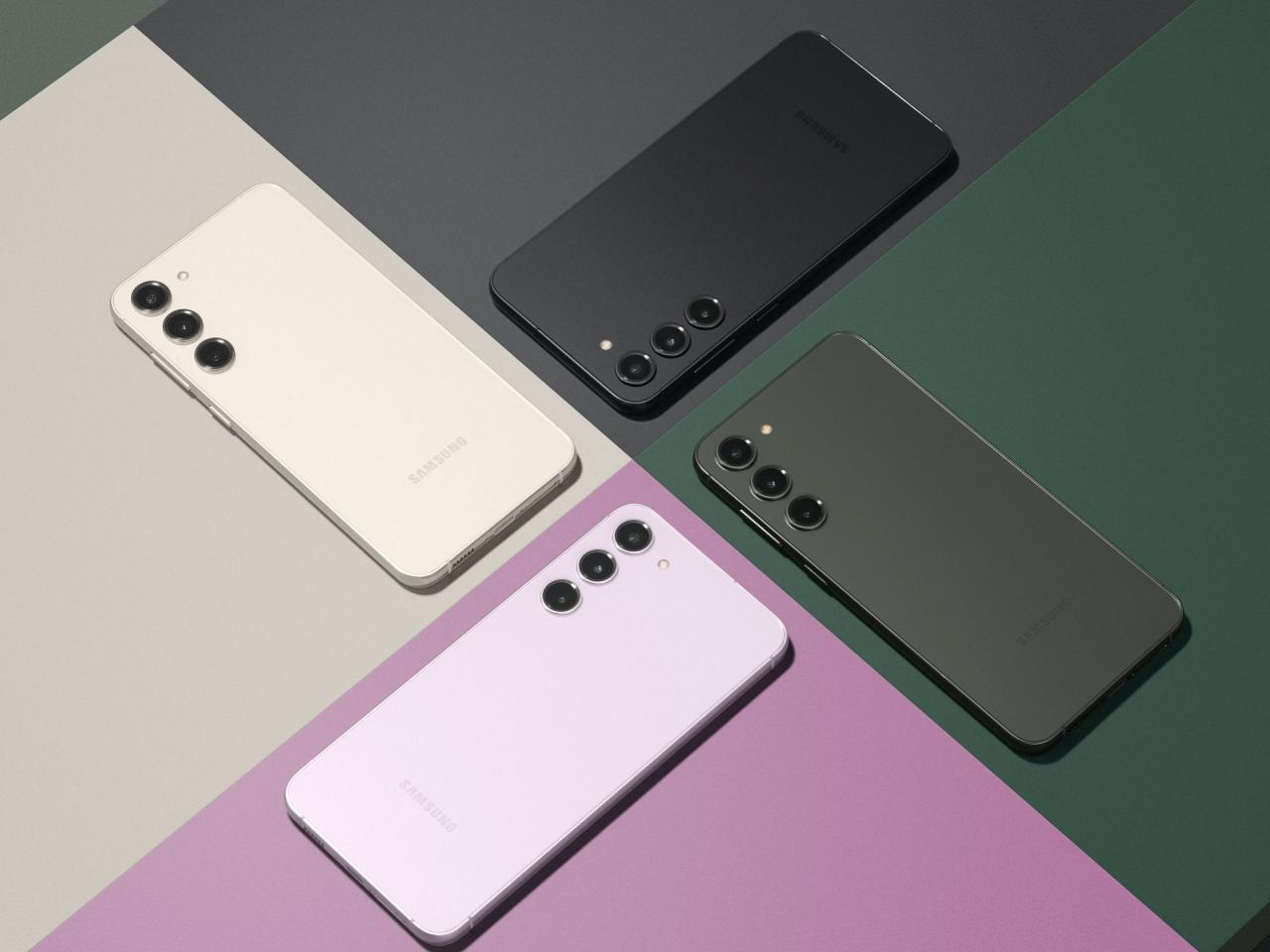
The Samsung Galaxy S II was a true game-changer at the time of its release, boasting advanced specs that defined the smartphone experience. With its powerful hardware and innovative features, it set new benchmarks for performance and user satisfaction in the mobile industry.
The Galaxy S II was equipped with a dual-core 1.2 GHz Cortex-A9 processor alongside a Mali-400MP GPU, which provided exceptional performance for multitasking and high-definition gaming. This processing power allowed for smooth operation when running multiple applications, streaming videos, or playing graphic-intensive games. In comparison to its competitors during the release period, such as the HTC Sensation and the Motorola Atrix, the Galaxy S II consistently outperformed them in benchmark tests. For instance, in the Quadrant Standard benchmark, it achieved scores significantly higher than the HTC Sensation, showcasing its superior processing capabilities.
Camera Functionality and Image Quality
The camera functionality of the Samsung Galaxy S II was another of its standout features, offering an 8-megapixel rear camera with autofocus and LED flash, and a 2-megapixel front-facing camera. The rear camera was capable of capturing vibrant images with impressive detail and clarity. The camera software allowed users to take advantage of various shooting modes, including panorama and burst mode, enhancing the overall photography experience.
Several factors contributed to the remarkable image quality produced by the Galaxy S II:
- Sensor Quality: The use of a high-quality sensor allowed for better light capture, resulting in clearer images even in low-light conditions.
- Image Processing: The device’s image processing capabilities were superior, ensuring that colors were rendered accurately and that images were sharp.
- Video Recording: The Galaxy S II supported 1080p video recording at 30 frames per second, which was a notable feature for its time, allowing users to capture high-definition videos with ease.
In terms of practical application, many users praised the Galaxy S II for its ability to produce images that rivaled those taken with dedicated digital cameras. The combination of hardware and software optimization enabled users to unleash their creativity and capture moments with fantastic quality. The camera’s performance played a significant role in the device’s popularity, making it a favorite among photography enthusiasts and casual users alike.
User Experience and Reviews
User feedback is an essential aspect of understanding the effectiveness and appeal of a device. The Samsung Galaxy S II, renowned for its impressive specifications at the time of its release, has garnered a variety of user opinions that highlight its strengths and weaknesses. Analyzing these reviews provides valuable insights into the everyday usage of the smartphone, revealing what users love and what they wish could be improved.
The Samsung Galaxy S II has received a mix of accolades and critiques from its users, which helps in painting a comprehensive picture of its performance in real-world scenarios. Common praises often revolve around its design, display quality, and overall performance, while criticisms tend to focus on battery life and software updates.
User Reviews Summary
An analysis of user reviews across various platforms reveals several recurring themes regarding user satisfaction. Users frequently commend the following aspects of the Galaxy S II:
- Stunning Display: Many users highlighted the vibrant Super AMOLED display, which offers sharp colors and excellent visibility even in direct sunlight. This feature significantly enhances the media consumption experience.
- Camera Quality: The 8 MP rear camera garners praise for its ability to take high-quality photos, with many users expressing satisfaction with the clarity and detail, especially in good lighting conditions.
- Performance: The device’s speed and responsiveness, powered by a robust dual-core processor, received positive feedback, particularly for multitasking and running demanding apps smoothly.
However, alongside these positive reviews, users have also expressed concerns, particularly in the following areas:
- Battery Life: A common point of criticism is the battery life, with users noting that heavy usage can lead to rapid depletion, necessitating frequent recharging throughout the day.
- Software Updates: Some users voiced frustrations regarding the delay in software updates and the lack of the latest Android versions, which can impact overall functionality and security.
- Build Quality: Although considered stylish, some users reported issues with the plastic build feeling less premium compared to other flagship devices of the era.
“The Samsung Galaxy S II excels in display and performance, making it a joy to use for media and multitasking, though battery life could use improvement.”
Overall, user satisfaction with the Galaxy S II tends to be high, with many appreciating its capabilities as a multifaceted smartphone. Despite some drawbacks, the strengths highlighted by users often outweigh the criticisms, establishing the Galaxy S II as a beloved device during its time in the market. The combination of an impressive display, solid performance, and effective camera has left a lasting impression, securing its place in the memories of its users.
Legacy and Impact on Smartphone Evolution
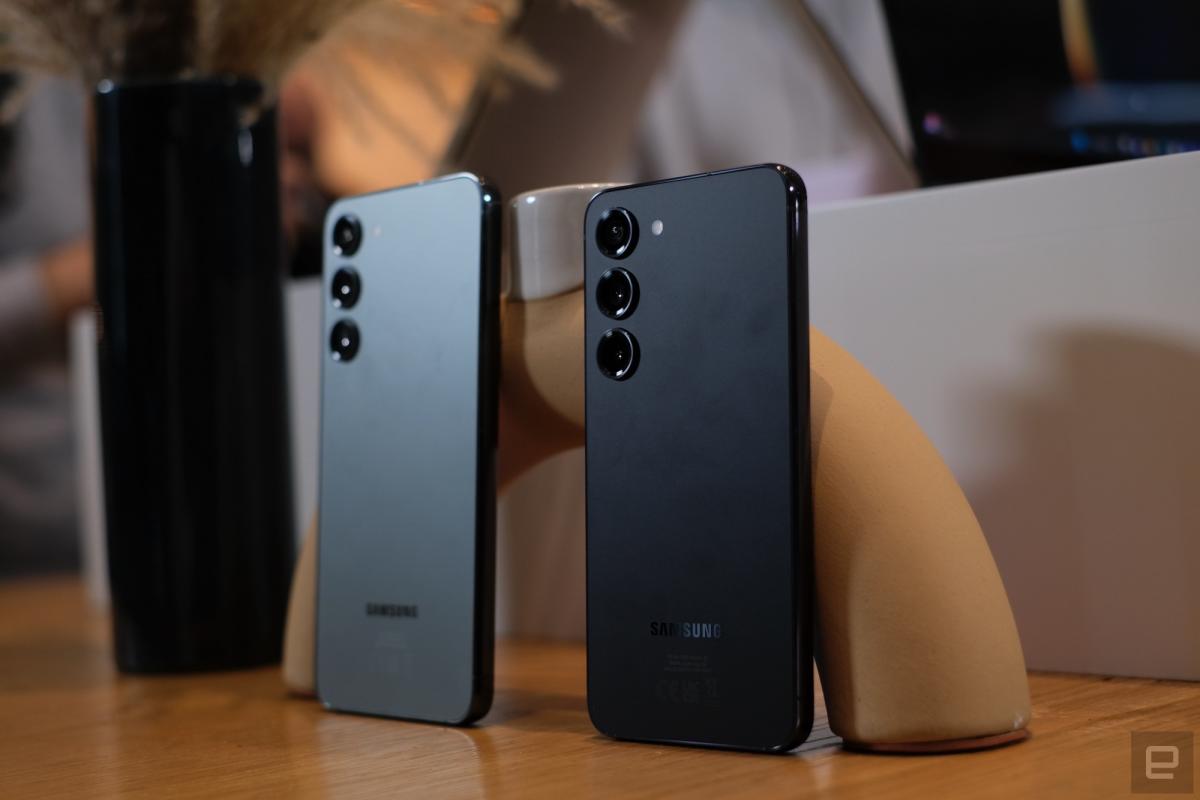
The Samsung Galaxy S II emerged in 2011 as a pivotal device in the smartphone landscape, redefining user expectations and setting new standards for mobile technology. Its introduction marked a significant departure from previous models, elevating Samsung’s position in the competitive smartphone market and influencing subsequent designs by various manufacturers.
The Galaxy S II played a crucial role in shaping the smartphone industry by introducing a blend of features that would later become benchmarks for all smartphones. Its emphasis on performance, design, and user experience reshaped consumer expectations and set the stage for future innovations. The device’s lightweight design, vibrant Super AMOLED display, and powerful dual-core processor established a new standard for both aesthetics and functionality in smartphones.
Standard Features Introduced by the Samsung Galaxy S II
The Galaxy S II incorporated several features that became staples in future smartphone models. Notably, it introduced:
- Super AMOLED Plus display: This technology offered improved color accuracy and brightness, providing a superior viewing experience that many devices have adopted since.
- Dual-core processor: Its powerful processor allowed for enhanced multitasking capabilities, setting a precedent for performance in smartphones that followed.
- High-resolution cameras: The Galaxy S II featured an 8 MP rear camera with advanced capabilities, influencing the market’s focus on photography in mobile devices.
- Thin and lightweight design: The device’s sleek profile and lightweight build became a benchmark for future smartphone designs, emphasizing portability without sacrificing performance.
- Customizable user interface: Samsung’s TouchWiz UI allowed users to tailor their experience, a feature that resonated with consumers and encouraged personalization in succeeding models.
Influence on Consumer Expectations for Future Smartphones
The impact of the Samsung Galaxy S II extended beyond its technical specifications; it fundamentally altered consumer expectations for smartphones. The device underscored the importance of speed, user-friendly interfaces, and high-quality displays in ensuring customer satisfaction. It also set a trend for manufacturers to prioritize aesthetic appeal alongside functionality.
A significant aspect of its legacy is the expectation of regular software updates and new features, which consumers now anticipate with every new smartphone release. The adoption of high-performance cameras in mobile devices can be traced back to the popularity of the Galaxy S II’s camera capabilities, which encouraged manufacturers to invest heavily in mobile photography.
“The Samsung Galaxy S II did not just raise the bar; it redefined it, establishing a new norm for what consumers would demand from their smartphones.”
The Galaxy S II’s legacy is evident in the ongoing evolution of smartphones, as it paved the way for innovations that focus on user-centric designs, enhanced performance, and a seamless integration of technology into daily life. Its influence remains palpable, demonstrating how a single device can catalyze monumental shifts in an entire industry.
Essential FAQs
What operating system does the Samsung Galaxy S II run?
The Samsung Galaxy S II originally ran on Android Gingerbread, with the ability to be upgraded to later versions of Android.
Is the Samsung Galaxy S II still worth buying today?
While it was a top contender at its release, the Samsung Galaxy S II may not be suitable for today’s advanced app and performance needs.
What was the battery life like on the Samsung Galaxy S II?
The Samsung Galaxy S II had a decent battery life, typically lasting a full day with moderate usage, thanks to its 1650 mAh battery.
Did the Samsung Galaxy S II support expandable storage?
Yes, the Samsung Galaxy S II supported microSD cards, allowing users to expand their storage up to 32GB.
How did the Samsung Galaxy S II compare to its competitors?
At its launch, the Samsung Galaxy S II outperformed many competitors in terms of processing power, display quality, and camera capabilities.
The performance of the latest iPhones is largely attributed to their advanced chip iphone , which enhances speed and efficiency. This technology empowers users to seamlessly multitask and run demanding applications without a hitch, making it a top choice for tech enthusiasts seeking reliability and power in a smartphone.
When it was launched, the samsung galaxy s 4 set new standards in the smartphone market with its innovative features and impressive specifications. From its high-resolution display to its user-friendly interface, this device catered to a wide array of users, making it a popular choice among those looking for both style and functionality.